We use cookies to make sure you get the best experience on our website. Please
read
our cookie policy and privacy policy
Page Category: Tips
Pets
Emaar South is a pet-friendly community – but it’s important to ensure that your animal friends never disturb other residents:
Dogs must always be kept on a leash when outside the boundaries of your home.
Any dog waste deposited in the community must be promptly removed and properly discarded in a sanitary manner by the dog handler.
All pets must wear appropriate identification tags at all times when outdoors.
Dog owners must ensure their animals do not make an unreasonable amount of noise or disturb neighbouring residents.
Abandoning pets is strictly forbidden and offenders will be reported to the authorities. If you cannot commit to caring for a pet, do not get one.
Refer to the pet etiquette fact sheet to learn more about pet care guidelines in your community.
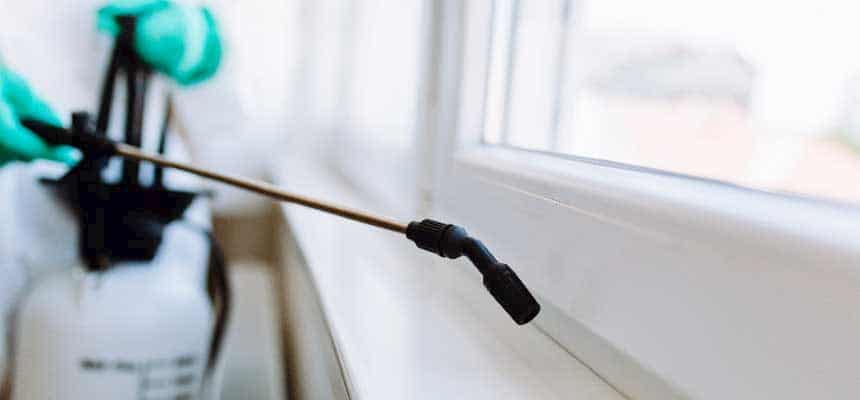
Pest control
Keep your home pest-free by following a few simple steps
Do not leave buckets, pet bowls, containers or any other objects where water can stagnate outside your home.
Fountains and water features should have moving water. If not in use, the entire water feature must be drained and emptied.
Do not allow excess water to accumulate in planter boxes.
Clean out bird baths and bird feeders daily and replenish with fresh water.
Do not leave empty cardboard boxes lying around your porch or lawn – they maintain the ideal moisture and temperature for pests like cockroaches to thrive.
Do not leave food out for strays in the community – it attracts even more pests. Moreover, pet food is often reinforced with micronutrients like vitamin K that may help rodents help build immunity and develop resistance to rat poisons.
Collect fruits as soon as they fall from trees in your garden.
Dog waste can offer flies a breeding ground for weeks – ensure that any waste produced by your pets is discarded in the provided dog bins.
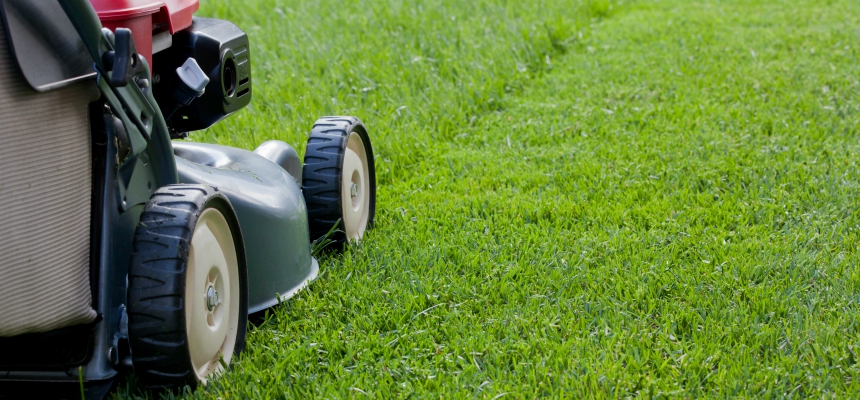
Here are some tips from our landscaping team to help you keep your landscaping lush and healthy.
Maintain a mowing height of 2.5 to 3 inches but during summer, increase this to 3 or 3.5 inches to reduce water loss from your soil.
Check your irrigation system for leaks periodically.
Water your landscaping as per its requirements and not just every day.
Apply water directly to the roots of plants to minimise evaporation and water runoff.
Avoid mid-day watering – instead, water in the early hours before sunrise to lessen water loss through evaporation and daytime winds.
Choose plants that are native to the arid climate of the Middle East and require less water such as desert rose, flame trees, bougainvillea, neem, palms and hibiscus.
Make adjustments to watering durations as needed; for example, shaded or protected areas may need less water than patches that are always under the sun.
For better efficiency, install a drip irrigation system to minimise evaporation.
Water brown spots by hand and check your irrigation system; lawns usually develop brown spots because of faults in the sprinkler system.
Planting seeds in the common areas (outside the boundary of your villa) is prohibited.
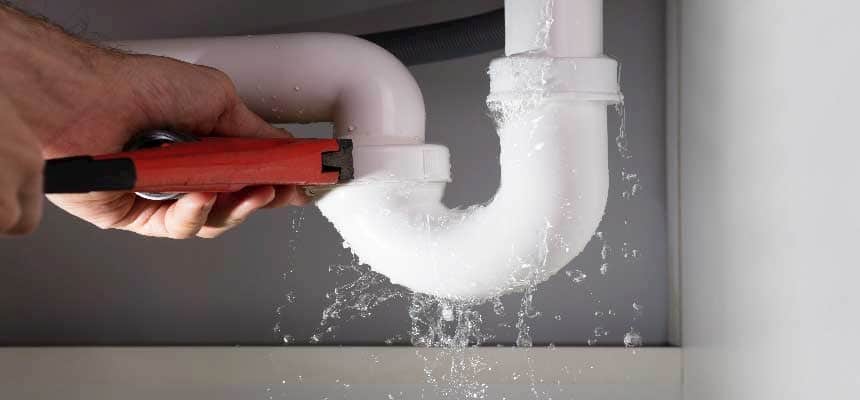
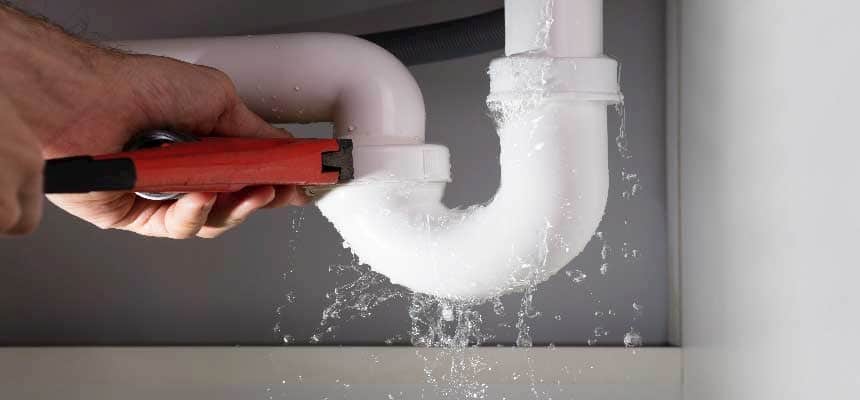
If you run into plumbing or electrical hitches in and around your home, here are a few points to keep in mind.
Use the shutoff valves under or behind the sink to turn off water to a faulty fixture.
If you notice a leak in the bath or shower, stop using it, turn off the water at the fixture and arrange for a repair service.
If there is a leak in the water heater, use the shutoff valve on top of the heater to turn off the water before draining the unit.
If you notice water spots, try to trace the leaks to one location (toilet, sink or tub) and turn off the water to that fixture. Arrange for service through a third party provider.
If a power outage occurs, inspect all circuit breakers. If a breaker is damaged, arrange for service. If they’re not damaged, turn them all off and back on again, one at a time.
If there is no power to an outlet, check if it is connected to a wall switch that has not been turned on before you inspect the circuit breakers. Reset any that may have turned off.
If a hanging light fixture does not work, a connection along the circuit may be broken. Check if wall switches, circuit breakers and the bulb has been installed properly.
If you have a stuck window, use a putty or plastic knife to gently score the edges and prise the window open. Once open, apply a thin layer of paraffin wax around the edges.
If you’re getting an odour around your home after a vacation, the drain pipes may have dried up. Try pouring water down the drains.
Indoor plants may release an odour if left unattended for long periods. Inspect your plants and prune any rotting parts if necessary.
A buildup of dust and moisture can cause exhaust fan to spin slowly. Clean the fans periodically to ensure optimal performance.
Clean the railings of any sliding doors occasionally with a toothbrush and then vacuum to remove accumulated grime.
Clean mildew spots with a three percent solution of hydrogen peroxide for a quick fix.
If you need to increase the flow pressure of your taps, fit them with aerators – they save water too. Simply unscrew the spout, and screw the aerator onto the tap.
Holiday tips
Here are a few things you can do to secure your home before leaving for vacation.
Turn off your water supply till you are back. This will prevent any leaks that could damage your property.
Ask a trusted neighbour to keep an eye on your home while you’re away.
Secure your home effectively; close and lock all windows and doors.
Discontinue newspaper subscriptions and deliveries to your home.
Give a key to a trusted friend or neighbour so they can check your villa periodically.
Do not leave unsecured items on your balcony/terrace that can be easily removed.
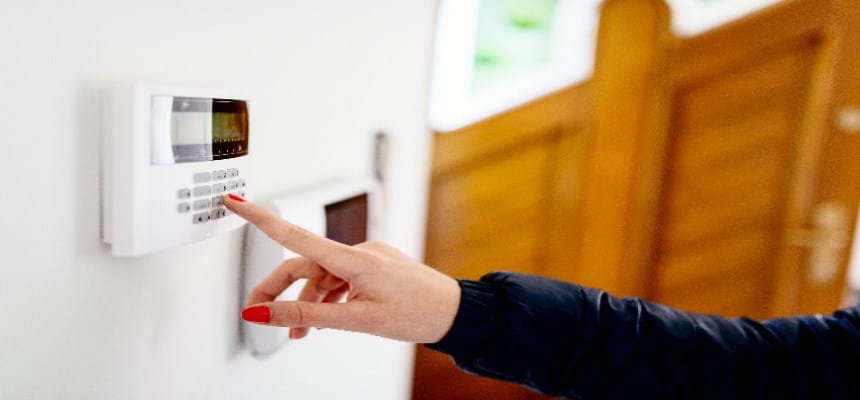
If you have a burglar or intrusion alarm, activate it.
Lock all valuables and cash in an approved and securely fastened safe.
Unplug all unnecessary appliances such as televisions, stereos and personal computers (take care not to turn off the power to any alarm systems).
Unplug or turn off the ringer on all telephones and answering machines.
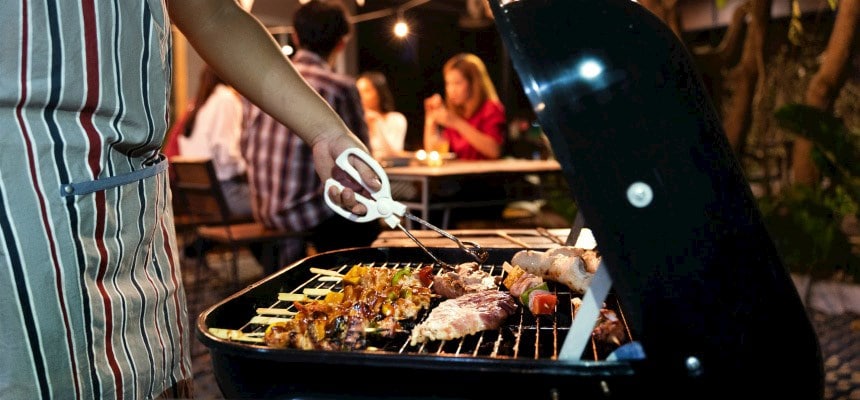
Ensure that you take proper precautions while enjoying a grilling session with family and friends.
If you store your barbecue or patio heater indoors when not in use, you should always detach the gas bottle first and store it separately outdoors.
Gas bottles should always be stored upright and away from any ignition sources.
Never use your barbecue indoors because of the risk of toxic fumes, smoke or fire.
Children should be kept safely away from barbecues and gas bottles.
Cracked or damaged hoses and/or gas regulators should be replaced before use.
Check hoses occasionally to make sure they have not perished by brushing or spraying on soapy water and checking for bubbles.
Check connections to make sure that they are clean and fitting snugly.
Always read the barbecue manufacturer’s operating instructions.
When you have finished using your barbecue, turn off the gas bottle first and then at the barbecue controls.
If you notice any leakage from the valve of a small cylinder, move the cylinder to a safe location at least 20 metres from any possible source of ignition.
Fire safety
It’s crucial that you take precautions to ensure your home is always protected against fire hazards.
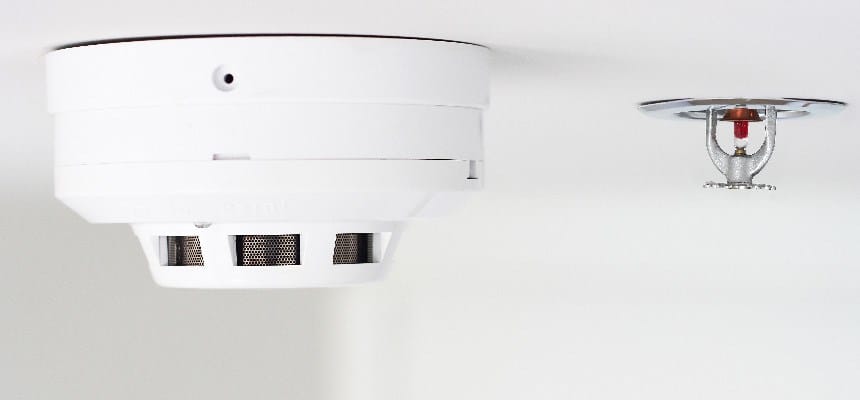
Conduct regular maintenance of the smoke/heat detectors within your villa or apartment.
Refrain from smoking in non-designated areas.
Refrain from storing flammable liquids/materials in your garage or balconies.
Avoid overloading electrical circuits with too many high voltage appliances, such as televisions and computers.
Don’t throw cigarette butts – lit or otherwise – from your property.
Follow these steps in balcony usage to ensure a safer and aesthetically pleasing community experience.
Do not barbecue in your balcony, it is a fire hazard and against community rules.
Cigarette butts pose a serious risk of fire, as well as, being toxic to the environment. Do not throw cigarette butts from your balcony.
Littering in anyway from balconies/ windows is not allowed.
Installing satellite dishes in the balcony is against municipality regulations. Such violations could face hefty fines.
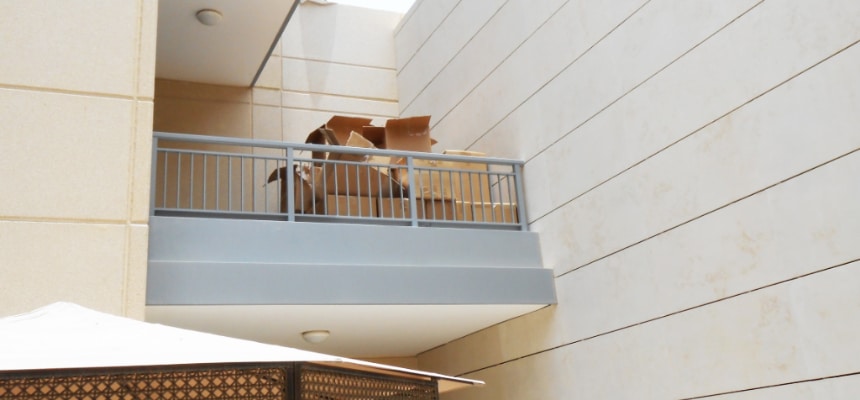
Do not use the balcony for storage purposes as it ruins the community aesthetics.
Coverings of any kind is not allowed. Safety screens, awnings, pergolas, curtains or shades must not be installed on balconies.
Leaving pets unattended on the balcony can cause them severe distress. Please ensure your pets are well cared for and not allowed to become a nuisance.
Laundry must not be hung on the balcony or railings as it diminishes the aesthetics of the community.
Home fixes
If you run into plumbing or electrical hitches in and around your home, here are a few points to keep in mind:
1. One of the windows in my home is stuck – how do I open it without damaging it?
Use a plastic knife or a putty knife to gently score the line between your window and the frame, applying gradual pressure to prise the window open. Once the window is open, apply a thin layer of paraffin wax – if you don’t have wax, rub soap around the edges.
2. I’m getting a musty odour in my home. How do I get rid of it?
A musty smell is generally associated with the presence of mould, when humidity is higher.
Inspect all pipes for leaks. If you find damp spots around the house, call a reliable plumber to take a look.
If you’ve been away, the drain pipes may have dried up allowing sewage gases to seep into your home. Pour water down all drains if the odour seems to be coming from them.
Setting your air conditioner to low in the summer can cause excessive condensation in the inner walls, leading to mould growth in and around the duct chambers. If the odour is coming from the AC, call a reliable service provider to inspect the vents.
Indoor plants can release odours as they rot if they have been over-watered or not been tended to. Prune any rotting parts of your indoor plants.
3. How do I fix a dripping tap?
After shutting off the main valve, take off the handle’s cap and unscrew the bolt beneath it.
Now remove the tap handle and inspect the washer at the bottom – if it looks worn out, replace it and reassemble the tap.
If this doesn’t stop the dripping, one of the pipe gaskets may need replacement; call a reliable service provider to handle this.
4. My bathroom exhaust fan’s blades spin too slowly. How do I increase the speed?
The location of the exhaust fan, along with exposure to heat and moisture can cause dust to stick to the blades, weighing it down and hampering proper operation. Clean the fan periodically by running the nozzle of your vacuum over the grills of the exhaust outlet. If performance does not improve, call a reliable electrician.
5. I’m unable to slide my balcony doors easily. How do I make them glide smoothly?
Clean the balcony door’s metal tracks with a toothbrush to remove any accumulated dust and grime.
Once the debris have broken free of the tracks, vacuum and spray the surface with a silicone based lubricant (available at hardware stores).
If you’re still having difficulty moving the doors, call a reliable service provider to investigate.
6. The circuit breaker in my home keeps tripping. What can I do to stop it?
If your circuit breaker repeatedly trips, remember that it is a safety device and this is an indicator that something in your home isn’t running within the recommended load.
Inspect all your electrical devices for frayed wiring or contact pins that may have loosened.
If you’re running many high-wattage appliances on the same circuit, it could be overloading the outlet – plug them to other outlets or move them to a different room.
If you saw sparks when the circuit tripped, a short circuit could be the cause. It is highly recommended that you call a certified electrician to investigate if this is the case.
7. Mildew spots keep appearing on my bathroom grouting. How can I put a stop to this?
Areas that trap high levels of humidity and heat provide ideal conditions for mildew to develop. Ensure that your bathroom exhausts are turned on after showers for proper ventilation. Periodically wiping your bathroom tiles with a three percent solution of hydrogen peroxide also helps prevent growth of mildew.
8. How do I increase the flow pressure of water coming from my taps?
If your taps are not equipped with aerators, fitting them on all your faucets will help increase the pressure and also decrease water consumption. Simply unscrew the spout and screw the aerator onto the tap. If you already have aerators, unscrew them and clean with vinegar to get rid of any blockage.
9. The caulking line in my kitchen/bathroom is beginning to crack. How do I reseal it?
If you do not wish to call a service provider, you can caulk the edges yourself with some caulk and painter’s tape (available at hardware stores).
Apply two lengths of painter’s tape above and under the edge, leaving a thin strip of the edge exposed.
Apply caulk evenly over the exposed strip, and press to flatten the paste.
After 5-10 minutes, gently peel off the tape. Allow caulking to dry overnight without letting water near it.
10. My kitchen fills with smoke quickly while cooking, even with the hood turned on. How do I resolve this?
Ensure that your kitchen chimney hood’s grill is clean as oil residue can build up over time and hamper operation.
Use dishwashing solution to clean the metal grill – hot water can also help melt grease deposits and aid cleaning.
Ensure that the chimney hood is completely dry before you attempt to operate it again as moisture can attract dust and exacerbate the problem.
11. I see damp spots on my walls/ceilings. What can I do about it?
It’s quite likely that you have a water leak. If the pipes are visible and it’s a pinhole leak, you can try to rectify the issue yourself using epoxy putty on the hole – don’t attempt any repairs if the pipe is cracked.
If you see damp spots on the ceiling, reaching these pipes will require professional expertise. It’s best to call an experienced service provider to handle the problem if this is the case.
12. One of the electrical outlets in my unit is not working. How do I fix it?
Check if it is connected to a wall switch that may have not been turned on.
Once this is determined, inspect the circuit breakers and reset any that may have turned off.
A blown fuse may have also disrupted power to the outlet.
Do not attempt to insert any long artifacts into the outlet – call a reliable electrician if you are unable to resolve the problem.
13. One of my drains appears to be blocked. What should I do?
Most blocked drains are caused by accumulated fats and grease that may have solidified, and can be easily rectified.
Try pouring detergent and hot water down the drain to help melt the grease.
For blockages that are not too deep, unravel a wire coat hanger and twist it around inside the pipe until the block has been cleared.
For tougher blockages, use a plunger to force the debris clear. The pumping action of the plunger alternatively increases and decreases the pressure inside the pipe, helping dislodge any debris.
What our
residents say
Yasir Jaffery
Views Tower
Emaar Ocean Front is not just a property location, it's a vision of what could and should be. It's a secluded private island with breathtaking views.
SJ
Reef Tower
Being a residence of Emaar has been a privilege. Not only it provides the best communal services to its residents but also the vibe is absolutely breathtaking in terms of the beautiful scenic views.
SANAM
REEF TOWER
Emaar is a serenity amidst the chaotic city of Karachi. These big structures of living make you forget that you live in Pakistan. They have done an outstanding work on the bay.